Insights, updates, and best practices for ERP implementation and management
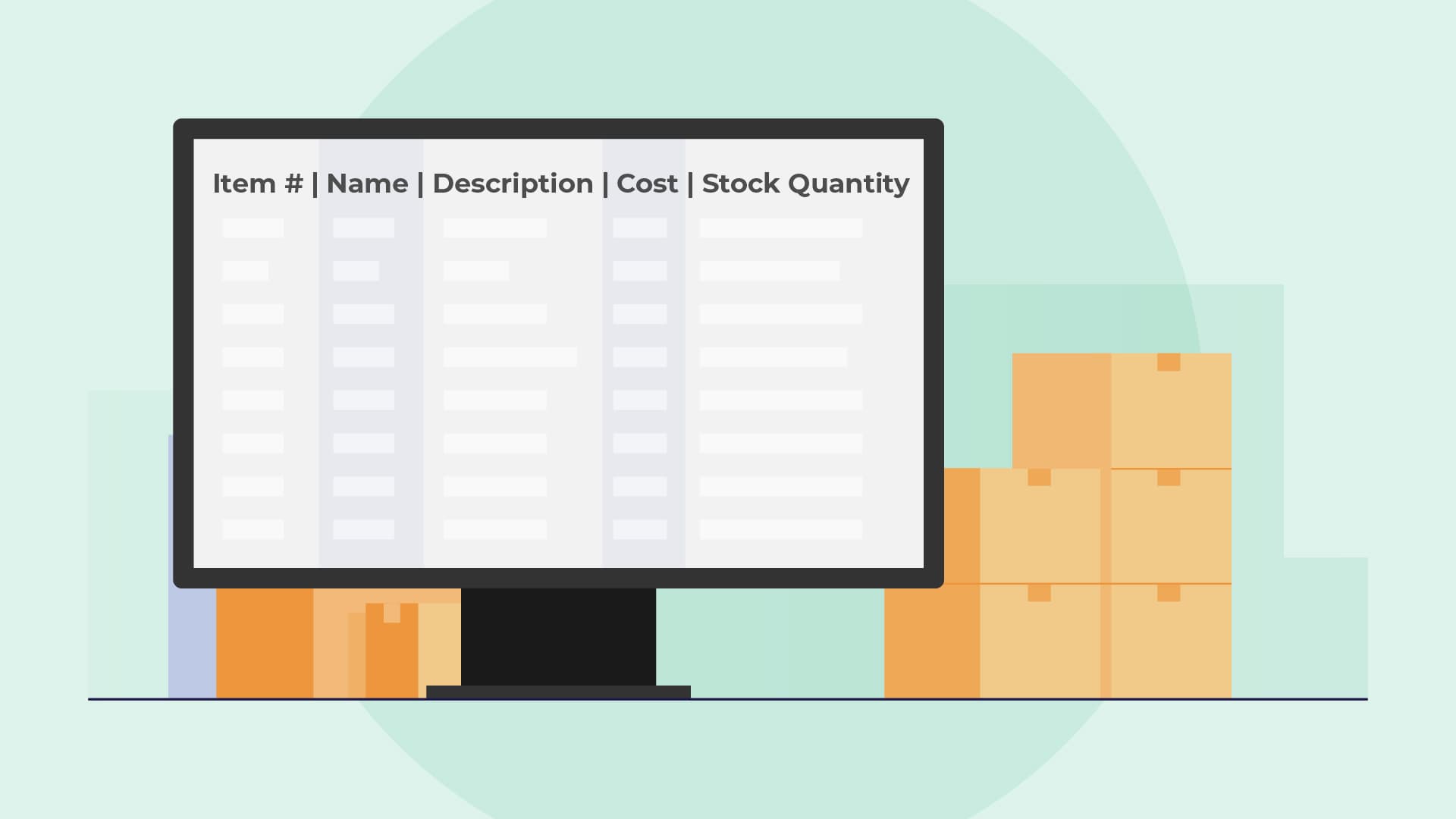
An inventory list is a complete, itemized list of your business inventory. It includes your raw materials, work-in-progress, and finished goods. Your inventory list should contain the item number, name, description, cost, and stock quantity of every inventory item. It should also be kept up to date at all times. If done correctly, your inventory list becomes one of the … Read More

As a marketer, you come to realize that even SEO and visits aren't enough to convert leads into customers. Demand generation marketing builds brand awareness by increasing website traffic. This is typically achieved through inbound marketing during the customer journey. It's focused on revenue creation and usually involves an integrated tech stack. Demand generation marketing has many other benefits, too. … Read More

Inventory turnover ratio refers to the number of times a business sells and replaces its stock of goods during a given period, taking the cost of goods sold relative to its average inventory into account. While inventory turnover can vary dramatically between industries, a high turnover ratio generally means that goods are sold faster; a low turnover ratio indicates poor … Read More

Loss prevention refers to the steps businesses take to reduce profit loss through theft, cybercrime, fraud, and human errors. Loss prevention is not only an important part of remaining profitable but also improves customer satisfaction and employee health and safety. What Is Loss Prevention? Loss prevention has several definitions. Retail loss prevention, for example, refers to shrinkage due to stock … Read More
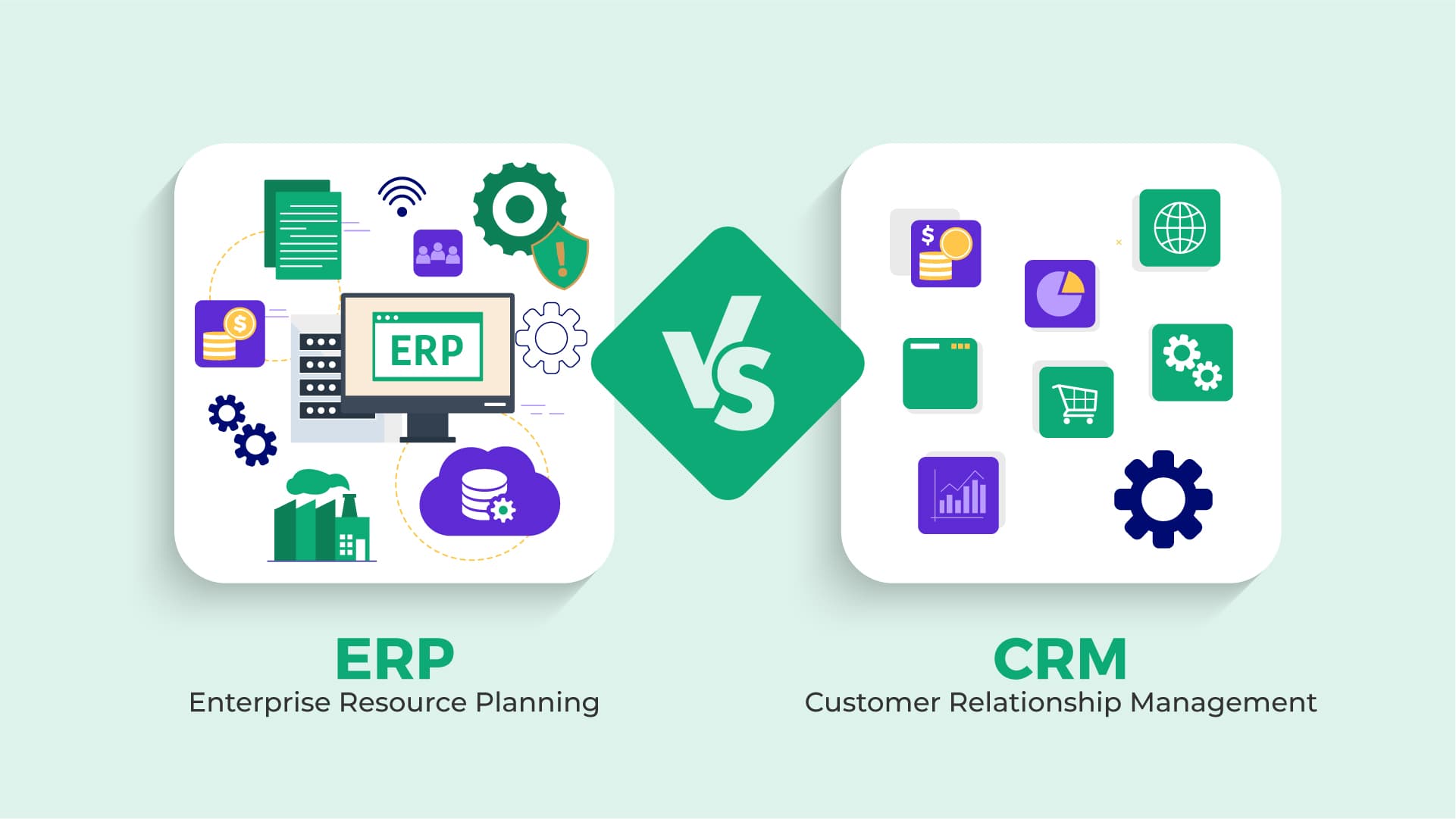
It's easy to see how businesses can confuse enterprise resource planning (ERP) and customer relationship management (CRM) systems. CRM often forms part of your ERP software package, and both are used to streamline and automate business processes. Both touch multiple departments, serve as vital data repositories, and may even be built on the same platform. However, they are far from … Read More

Whenever you have a new business idea, it’s important to do enough due diligence to determine whether or not it's feasible. This could be a brand new, novel business idea or simply an expansion of your existing business – like modifying an existing product offering or expanding a specific department. Your break-even point (BEP) reveals the moment your business idea … Read More
Enterprise resource planning (ERP) systems are becoming more popular for growing businesses, and as a result, the need for effective ERP integrations is increasing. ERP integration is the method by which a business can connect its ERP software to its other systems in order to share data that can improve productivity, provide insights and create a single source of truth. … Read More
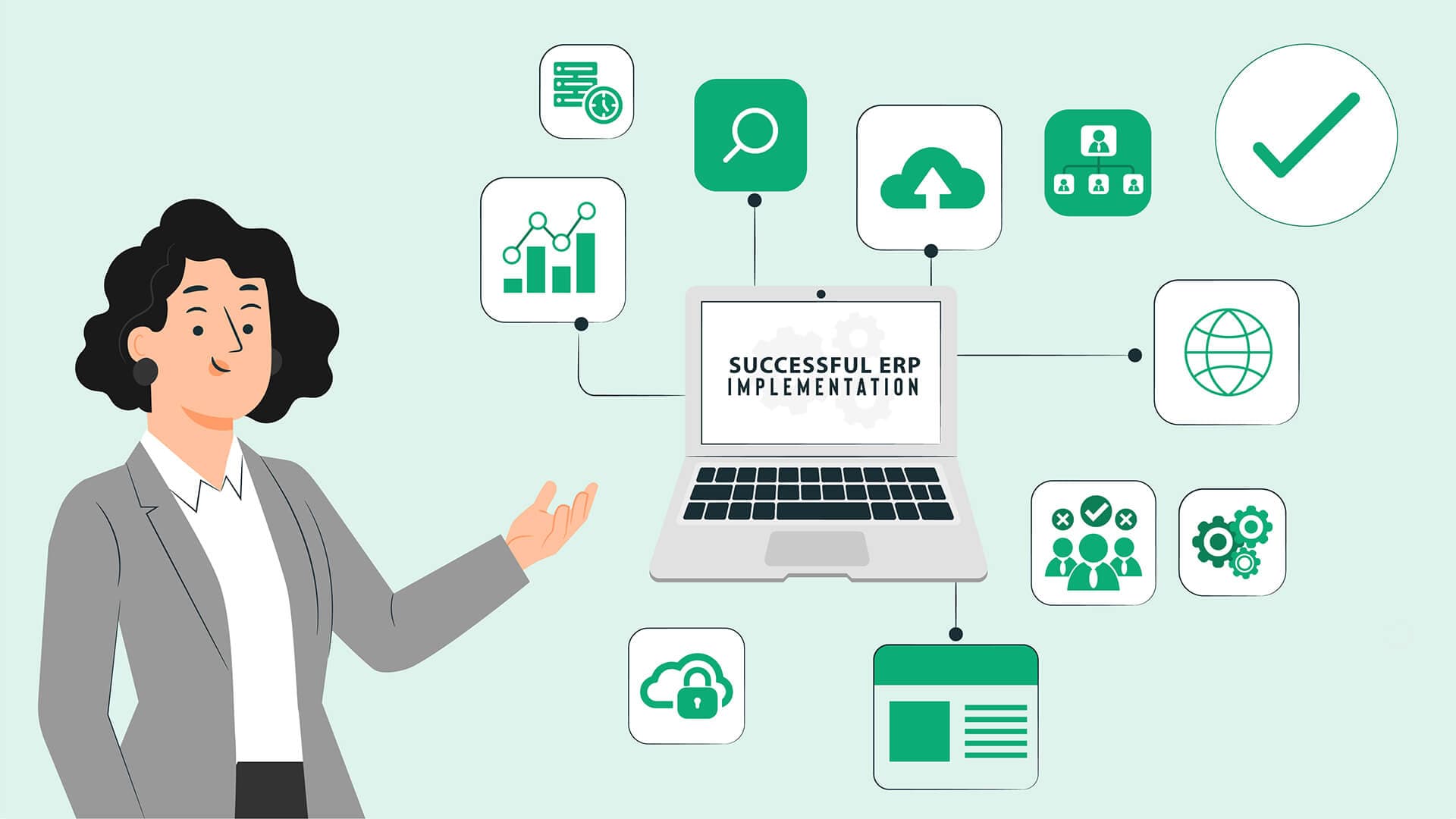
Choosing the right enterprise resource planning (ERP) software solution from the plethora of ERP systems available on the market right now is daunting enough, but it seems that as soon as you narrow down your choices, your consultant, IT manager, and even the software providers themselves start driving home the point of an ERP implementation plan. Without the right ERP … Read More
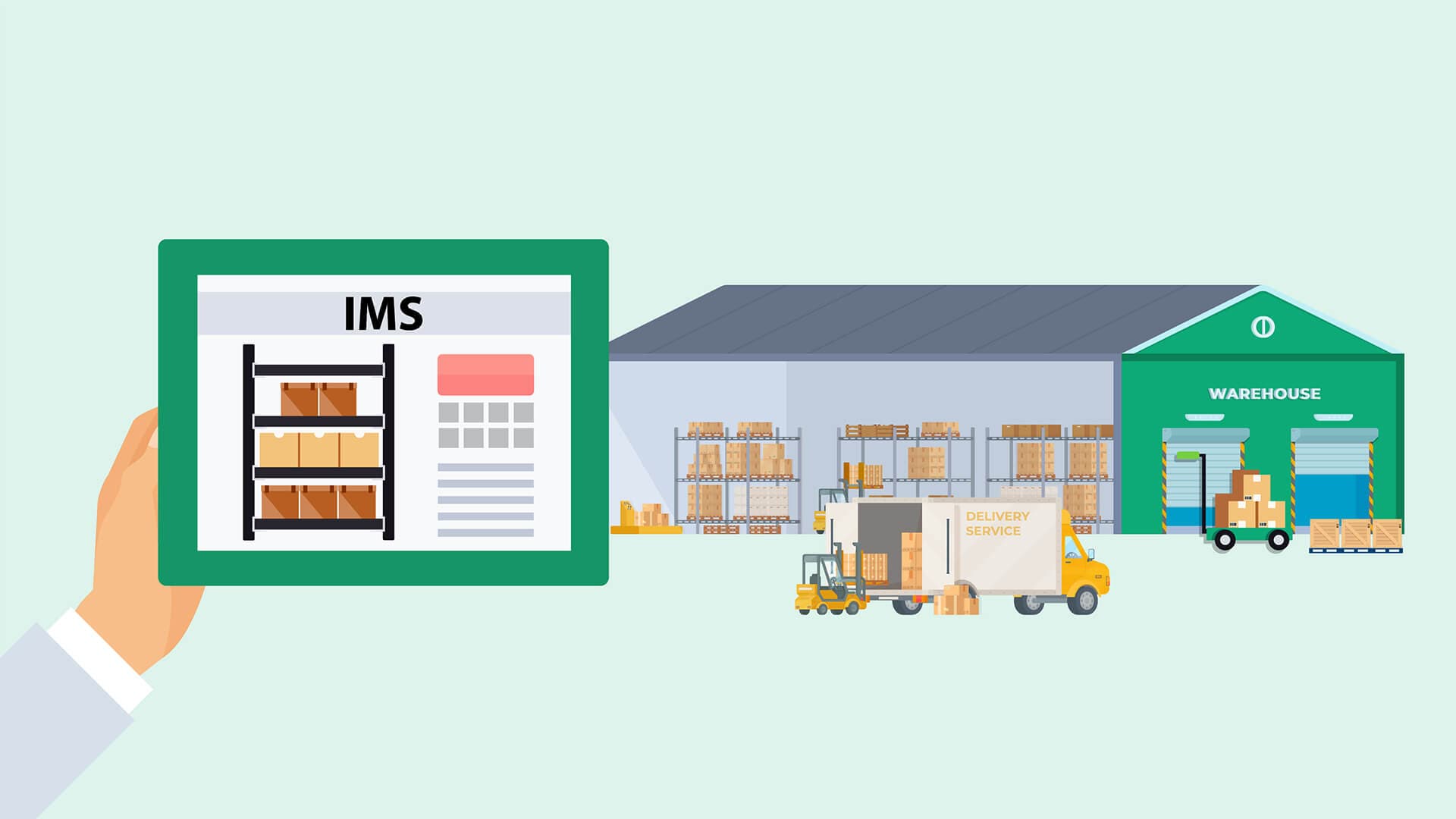
Managing inventory is one of the biggest challenges a company faces, whether big or small. Getting it right means that your business has the right parts and raw goods, in the right amounts, at the right time, in one or even across multiple warehouses. This reduces production bottlenecks in the manufacturing process and optimizes order fulfillment time in distribution businesses, … Read More

Cloud ERP systems, as opposed to on-premises systems, are enterprise resource planning systems that run on a cloud platform and enable organizations to access their ERP over the Internet. There are numerous benefits to integrating, automating, and accessing your essential financial and operational business functions online. Choosing the right ERP provider is the key to unlocking the advantages of a … Read More

For many businesses, their biggest challenge isn't developing a best-of-breed product but how to promote and sell it to the public. Despite myriad options, finding the right distribution channel remains a challenge. In this article, we'll discuss the various channels for indirect and direct distribution as part of your company's strategy, and the pros and cons of each. What Are … Read More

The wholesale distribution business is an important link within the global supply chain, making up 7% of the US private industry's GDP and generating sales of over $3.2 trillion per annum. Wholesale distributors purchase various products from manufacturers and other suppliers in bulk, and then sell them to business-to-business enterprises, including commercial establishments, businesses, or retail stores. While the concept … Read More